Signs It's Time for Air Conditioning Repair: Keep Your Home Cool
Spotting the warning signs that an air conditioning unit needs repair is important for ensuring comfort in the home. Irregular cooling, strange noises, and unusual odors often indicate deeper problems. Furthermore, rising energy costs can indicate problems within the system. Ignoring these symptoms may lead to more serious damage in the future. Being aware of how to manage these concerns can make all the difference when the heat rises. What else should homeowners be aware of?
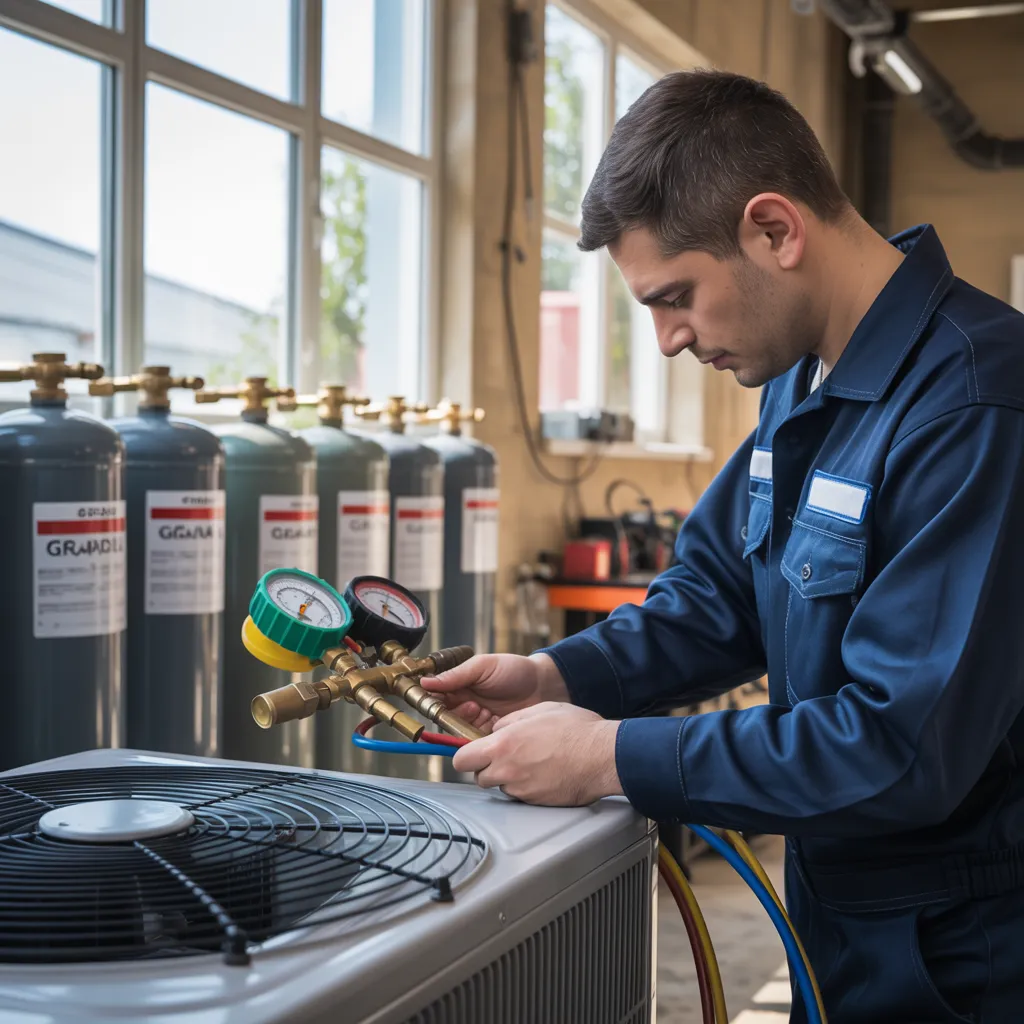
Recognizing the Early Warning Signs of A/C Issues
When property owners observe unexpected shifts in their air conditioning units, it often indicates that repairs may be necessary. Common early warning signs include inconsistent cooling, where certain rooms feel warmer than others, or the system has difficulty holding the desired temperature. Unusual sounds, like grinding or hissing, can indicate mechanical issues or refrigerant leaks. Moreover, an unexpected increase in energy bills may indicate that the unit is straining to cool the space, often due to inefficiencies. Residents should remain watchful for unusual odors, particularly mildew-like or burning odors, which could signal electrical faults or mold buildup. In addition, if the AC unit constantly switches on and off, this may indicate a faulty thermostat or additional hidden problems. Spotting these indicators early on can help avoid significant damage and high repair costs.
How to Fix Your A/C When It's Blowing Warm Air
When an air conditioner starts blowing warm air, several important checks can frequently address the problem. To begin, checking the thermostat settings ensures that the unit is configured to cool correctly. Next, inspecting the air filters and examining the refrigerant levels can help identify common problems that may hinder peak performance.
Check Thermostat Settings
How can one guarantee their air conditioner is running optimally? A crucial starting point includes reviewing the thermostat adjustments. In many cases, warm air problems stem from incorrect thermostat configurations. Ensuring the thermostat is set to the desired cooling temperature is fundamental. When dealing with a programmable thermostat, examining its schedule for conflicts or overrides may prove useful. Furthermore, confirming that the thermostat is set to "cool" mode is important, since it could mistakenly be set to "heat" or "off". When the settings look right but the problem remains, it may be necessary to recalibrate the thermostat or install fresh batteries. Performing these straightforward checks can commonly help reestablish the ideal comfort level throughout the home.
Inspect Air Filters
Checking air filters is essential for maintaining peak air conditioning operation. Dirty or blocked filters can limit airflow, causing the system to operate less efficiently and potentially leading to thermal stress. This poor performance often results in heated air circulating through ducts, indicating a need for urgent maintenance. Homeowners should examine filters on a monthly basis, especially during peak usage periods. If filters look dirty or stained, replacing them is a straightforward fix that can restore proper function. Typically, filters should be changed every thirty to ninety days, depending on how often the system runs and local conditions. Regular maintenance of air filters not only improves cooling performance but also improves indoor air quality, creating a more comfortable living environment. Regular check-ups can avoid larger problems in the future.
Inspect Refrigerant Levels
A depleted refrigerant level can greatly impact an air conditioning system's ability to cool effectively. When refrigerant levels are low, the system fails to absorb heat efficiently, causing warm air to blow from the vents. Homeowners are advised to periodically inspect refrigerant levels as part of their ongoing maintenance plan. If a drop in cooling performance is noted, it may indicate a refrigerant leak or depletion. To handle this concern, a certified technician should be called to evaluate the system. They can detect leaks and restore the refrigerant to the manufacturer's recommended levels. Overlooking refrigerant problems can cause more severe issues, including compressor damage. Regular assessment of refrigerant levels secures top performance and increases the longevity of the air conditioning system.
What Various Noises From Your Air Conditioner Mean
When an HVAC unit generates odd noises, it frequently indicates underlying problems that need to be addressed. Buzzing sounds may indicate electrical problems, whereas hissing sounds may signal refrigerant leaks. Furthermore, clanging sounds generally indicate loose or broken parts inside the unit.
Buzzing Noises Signal Problems
A buzzing sound originating from an AC unit often signal deeper problems that demand prompt attention. Such sounds can signal numerous potential issues, including electrical complications, loosened components, or malfunctioning motors. When the system experiences operational difficulties, it may generate a continuous buzzing noise, indicating that the electrical connections could be faulty or that buildup is hindering the fan's operation. Additionally, buzzing can be a sign of a failing capacitor, which plays a vital role in the compressor's function. Disregarding these warning noises can cause extensive damage and expensive repairs. Residents should not overlook these warning indicators and should contact a qualified technician to evaluate and fix the issue without delay, ensuring the continued efficiency and longevity of their air conditioning system.
Warning Signs of a Hissing Noise
Many homeowners might notice hissing noises originating from their air conditioning units, which can suggest certain problems that need to be addressed. A hissing noise frequently indicates a refrigerant leakage, where the refrigerant seeps through small gaps or cracks in the cooling system. This not only affects overall cooling efficiency but can also damage the environment. In addition, hissing can result from a obstructed or faulty expansion valve, which manages refrigerant flow. If the sound is accompanied by fluctuating temperatures or decreased cooling performance, it indicates further issues. Homeowners should address these sounds promptly, as neglecting them can lead to costlier repairs or total system breakdown. Identifying these warning signs is vital for keeping an efficient and effective air conditioning system.
Clanging Signals Loose Parts
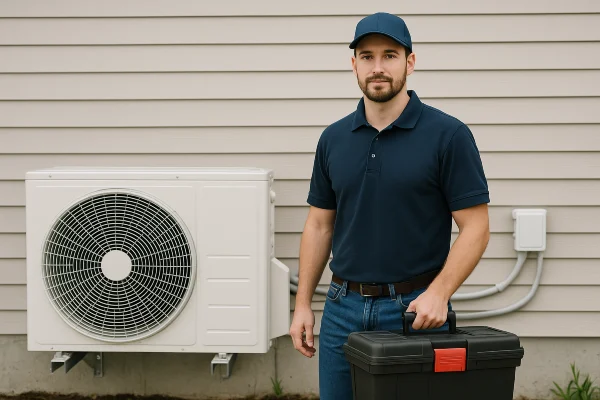
Rattling disturbances from an air conditioning unit often signal worn or faulty components that need prompt inspection. Such noises can stem from numerous areas throughout the unit. For instance, unsecured fasteners or bolts may allow internal parts to vibrate, while a damaged fan may impact the outer casing, producing a banging sound. Additionally, problems within the compressor or air ducts may further intensify these troublesome sounds. Overlooking these disturbances can escalate into greater complications, including decreased functionality or full system collapse. Property owners ought to reach out to a content skilled specialist to assess and correct any contributing factors quickly. Timely action can avoid expensive fixes and ensure the cooling system functions reliably and efficiently.
How Unusual Smells Signal A/C Repair Requirements
How do strange odors point to the need for air conditioning maintenance? Unpleasant smells emanating from an A/C unit often indicate underlying issues that require immediate attention. A stale, musty scent might signal mold or mildew buildup within the system, potentially impacting the quality of indoor air. Such problems can result from obstructed condensate drains or poor airflow circulation.
A burning odor could suggest overheating components or electrical issues, which may present a serious fire risk. On the other hand, a sweet or chemical odor might suggest leaking refrigerant, requiring immediate attention to avoid additional damage and ensure optimal performance.
Recognizing these odors and understanding their consequences is crucial for property owners. Overlooking such warning signs can result in expensive repairs and diminished system effectiveness. As a result, resolving unusual smells immediately can safeguard both the air conditioning system and the health of its residents.
Are Your Energy Bills Increasing Due to Your A/C?
Have energy bills been climbing unexpectedly in spite of routine A/C operation? This situation may indicate underlying issues with the air conditioning unit. An older or poorly maintained system can struggle to cool a home efficiently, leading to increased energy consumption. Elements such as dirty filters, refrigerant leaks, or defective thermostats can considerably hinder performance, causing the unit to work harder than necessary.
In addition, insufficient insulation or air leaks in the home can exacerbate this problem, allowing cooled air to escape and forcing the A/C to run longer. Homeowners should monitor their energy bills closely to identify trends that signal potential inefficiencies. If costs continue to rise without a clear explanation, it may be time to contemplate an inspection or repair of the air conditioning system. Tackling these problems in a timely manner can help recover system efficiency and possibly lower those escalating energy costs.
Why Regular A/C Maintenance Matters
What makes routine A/C maintenance critical for peak efficiency? Scheduled maintenance confirms that air conditioning systems function at their best. By consistently inspecting and maintaining units, homeowners can avoid potential failures and prolong the life of their systems. This procedure generally involves cleaning or swapping out filters, verifying refrigerant levels, and examining electrical connections.
Furthermore, upkeep helps detect small problems before they turn into costly fixes. A regularly serviced A/C unit functions more effectively, which translates to decreased utility bills and an improved living environment. Moreover, regular check-ups can improve indoor air quality by preventing dust and allergens from circulating throughout the home. All things considered, dedicating time and effort to A/C upkeep not only improves performance but also supports a healthier, more energy-conscious home. Routine servicing represents a proactive method of making certain that air conditioning systems perform optimally during peak demand.
When to Call a Professional for A/C Repair
Identifying when to call a qualified technician for A/C repair can save homeowners time and money, particularly after ensuring their system has received regular maintenance. Red flags often indicate the need for expert attention. If the air conditioning unit is producing warm air, making strange sounds, or giving off peculiar odors, these concerns necessitate immediate professional evaluation. Furthermore, inconsistent cooling throughout the home or a sharp rise in energy costs may suggest underlying problems that demand specialized evaluation.
Property owners should also be vigilant for leaks or moisture around the equipment, as this can signal coolant concerns or drainage complications. Disregarding these indicators can result in costly repairs and more extensive damage. At the end of the day, contacting a qualified expert at the earliest indication of a problem can not only return your home to comfort but also extend the lifespan of the cooling system, guaranteeing reliable performance throughout the warmer months.
Questions We Often Receive
How Often Should I Plan A/C Maintenance?
Professionals advise arranging AC maintenance a minimum of once annually, preferably prior to the start of the cooling season. Regular check-ups guarantee peak performance, increase the equipment's longevity, and reduce the risk of untimely malfunctions during heavy use.
Is It Possible to Fix My A/C Myself?
The person may try minor repairs if knowledgeable, but complex issues frequently demand professional expertise. Safety concerns and the risk of voiding warranties suggest seeking professional advice for major problems to ensure reliable and secure performance.
Why Should I Consider Upgrading My A/C System?
Updating your AC system increases energy performance, cuts down on monthly energy costs, enhances air quality inside your home, increases the value of your home, and offers better cooling performance. These benefits contribute to a better and more enjoyable indoor environment.
How Long Should My Air Conditioning Unit Last?
An air conditioner typically lasts anywhere from 15 to 20 years, based on how it is used, serviced, and the quality of the model. Routine maintenance helps maximize its longevity, while neglect can result in early breakdown and reduced performance.
What Is the Ideal Temperature Setting for My A/C to Maximize Efficiency?
For ideal efficiency, setting the air conditioning unit between 72°F and 78°F is suggested. This range balances comfort and energy consumption, permitting the system to run at peak performance while reducing energy expenses throughout the summer season.